Xantha
De-escalation training · Government & public-facing teams
New program

Communication Under Pressure

De-escalation training for staff who deal with the public and with industry — practised with a person who feels real, reviewed through their eyes.

A one-day simulation for the conversations that turn: the notice on a building site that nobody wants to receive, the decision at the counter that can't be changed, the caller who has been transferred three times. Staff practise recognising distress early and communicating before, during and after escalation.

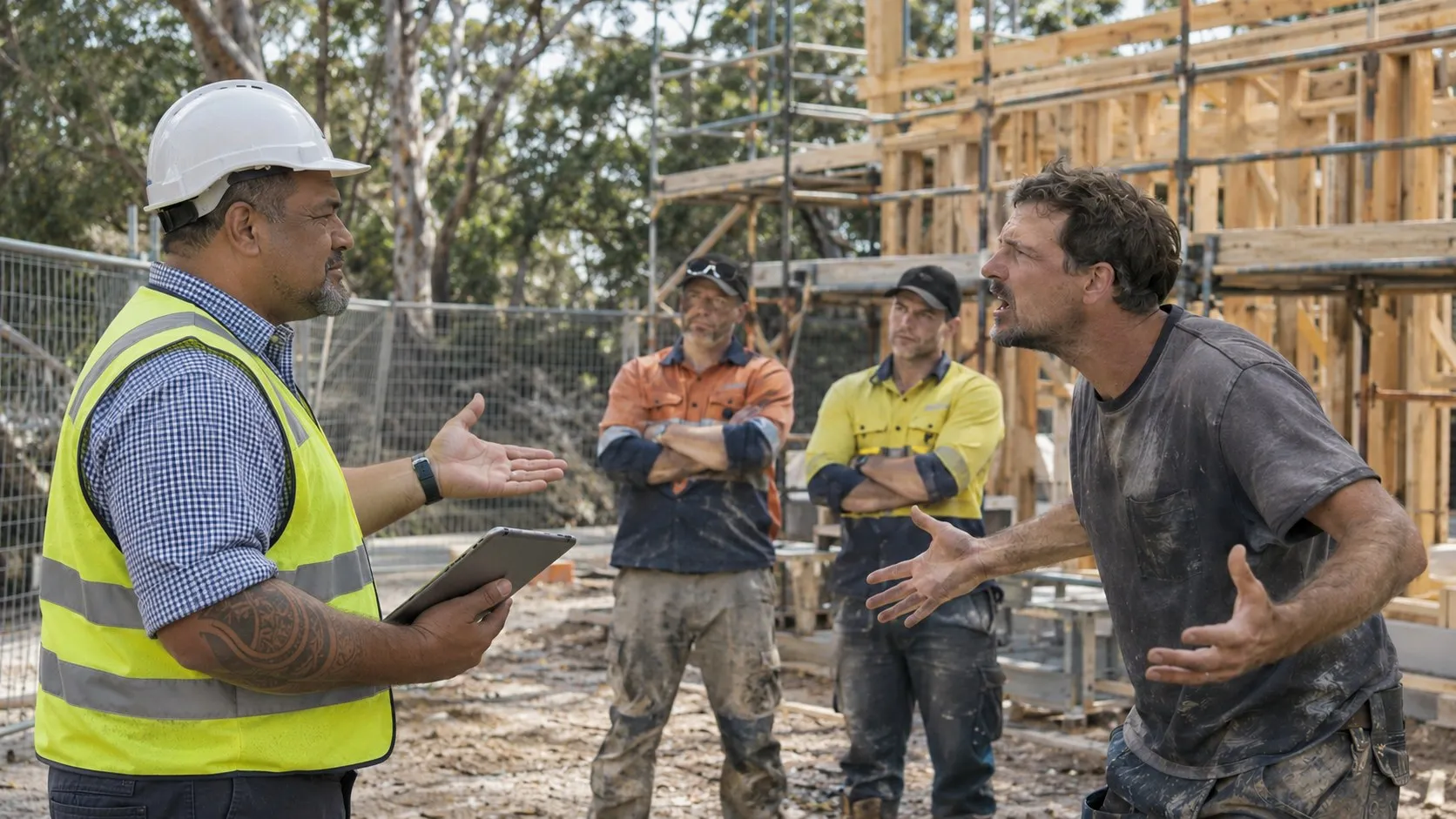
An inspector in a hi-vis vest and hard hat, tablet in hand, talking calmly with a frustrated foreman on a building site while two builders look on
Why it works

Aggression at work rarely starts with aggression.

It starts with someone who feels unheard, a decision that wasn't explained, a process that makes no sense from the other side of the counter or the site fence. By the time a supervisor or security is called, the moment to turn it around has passed. Communication Under Pressure trains the ten minutes before that — the recognition and the words.

It is Care Under Pressure, our de-escalation program for hospital wards, adapted for teams outside health. The method is the one Xantha has used with more than 3,000 health staff since 2015, including security officers who train alongside clinicians. The scenarios, the language and the measures are rebuilt around your work.

The focus is outward. This is not training for disagreements between colleagues; it is for the moments when your staff face the public or industry — at a counter, on a building site, on the phone — and have to deliver something the other person does not want to hear.

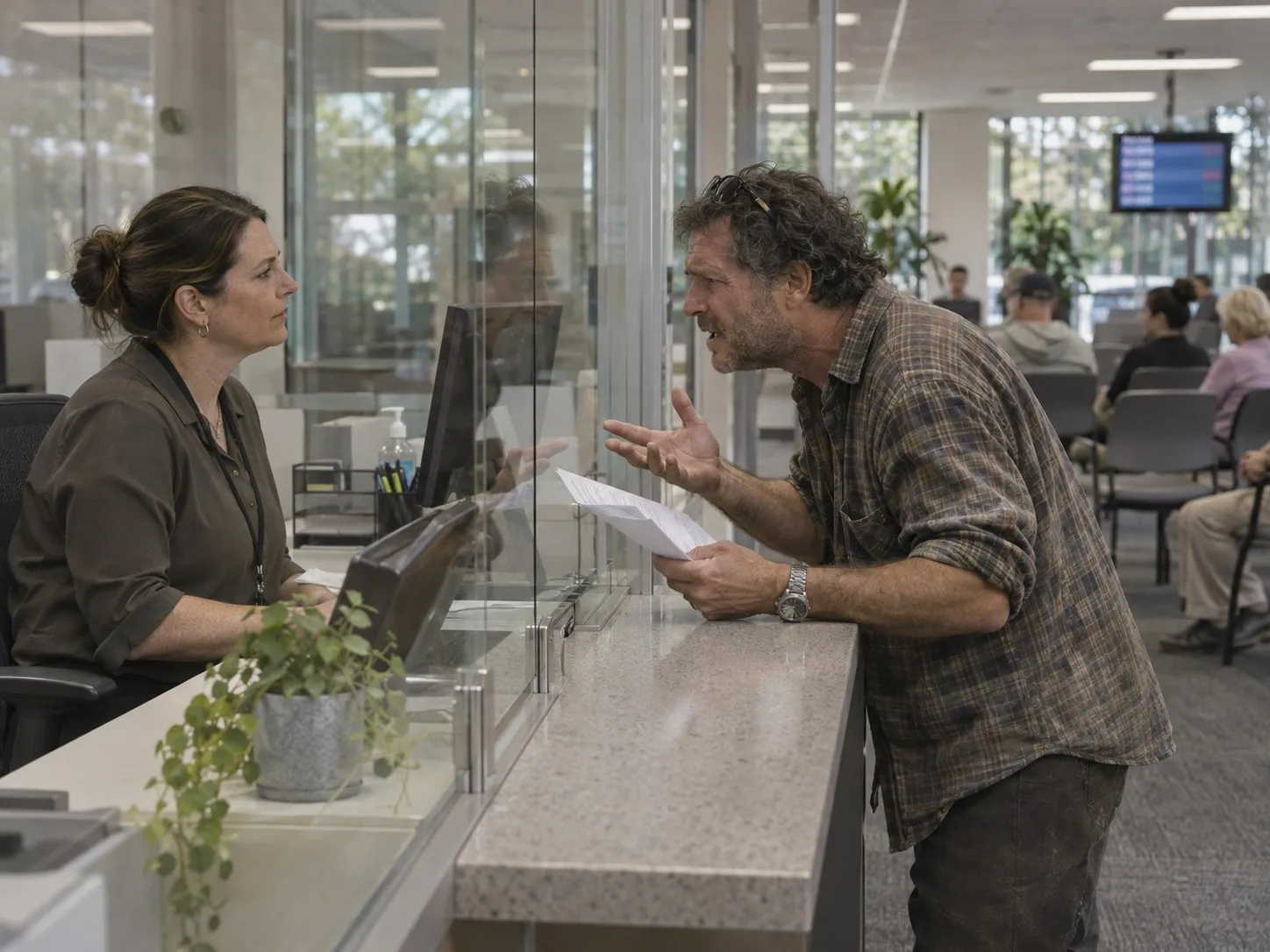
A staff member behind a glass counter screen listening calmly to a frustrated man holding paperwork
For WHS and people and culture leads
A control you can document.

Work-related violence and aggression is a recognised psychosocial hazard under Australian work health and safety laws. Communication Under Pressure gives you a practical training measure to sit alongside your other controls, an attendance record for every participant and, with the custom format, measures tied to your own incident data.

Scenarios

Built from the conversations your staff actually have.

We write each scenario with your team leaders from de-identified incidents, so staff practise the situations they are likely to meet next week. Some examples:

An inspector on a building site, issuing a notice to a foreman who disputes it
A staff member at the counter, behind the glass, telling someone no for the third time
A business owner who believes an audit or a decision will cost them their livelihood
A caller who is distressed, or who becomes abusive
A member of the public who is filming, following staff or refusing to leave
Formats

Start with one person. Add a second when the team is ready.

01

Single Scenario Simulation

One day · any team

A member of the public or someone from industry, played by a professional actor, arrives the way people do: frustrated, frightened or certain they have been wronged. Staff practise recognising distress early, communicating clearly and de-escalating before it becomes an incident — then watch it back through the other person's eyes and go again.

02

Multi-Party Simulation

One day · advanced

The same person, plus a second: the builder who joins in, the business partner, the bystander with a phone. Staff learn to manage two escalations at once, keep colleagues aligned and communicate before, during and after the moment.

03

Custom simulation

Scoped with you

Built around your incident data: a specific role, site or channel, whether that is the counter, a site inspection or the phone. We co-design the scenarios and the measures with your team leaders and safety staff.

Pairs well with · Accredited course
Mental Health First Aid for the Workplace

Lisa Spong is an accredited Mental Health First Aid® Instructor. The accredited course teaches staff the action plan; a Communication Under Pressure simulation day lets them practise it with a person who feels real.

See the courses →
Smart glasses and biometrics

See what they saw. Notice what you didn't.

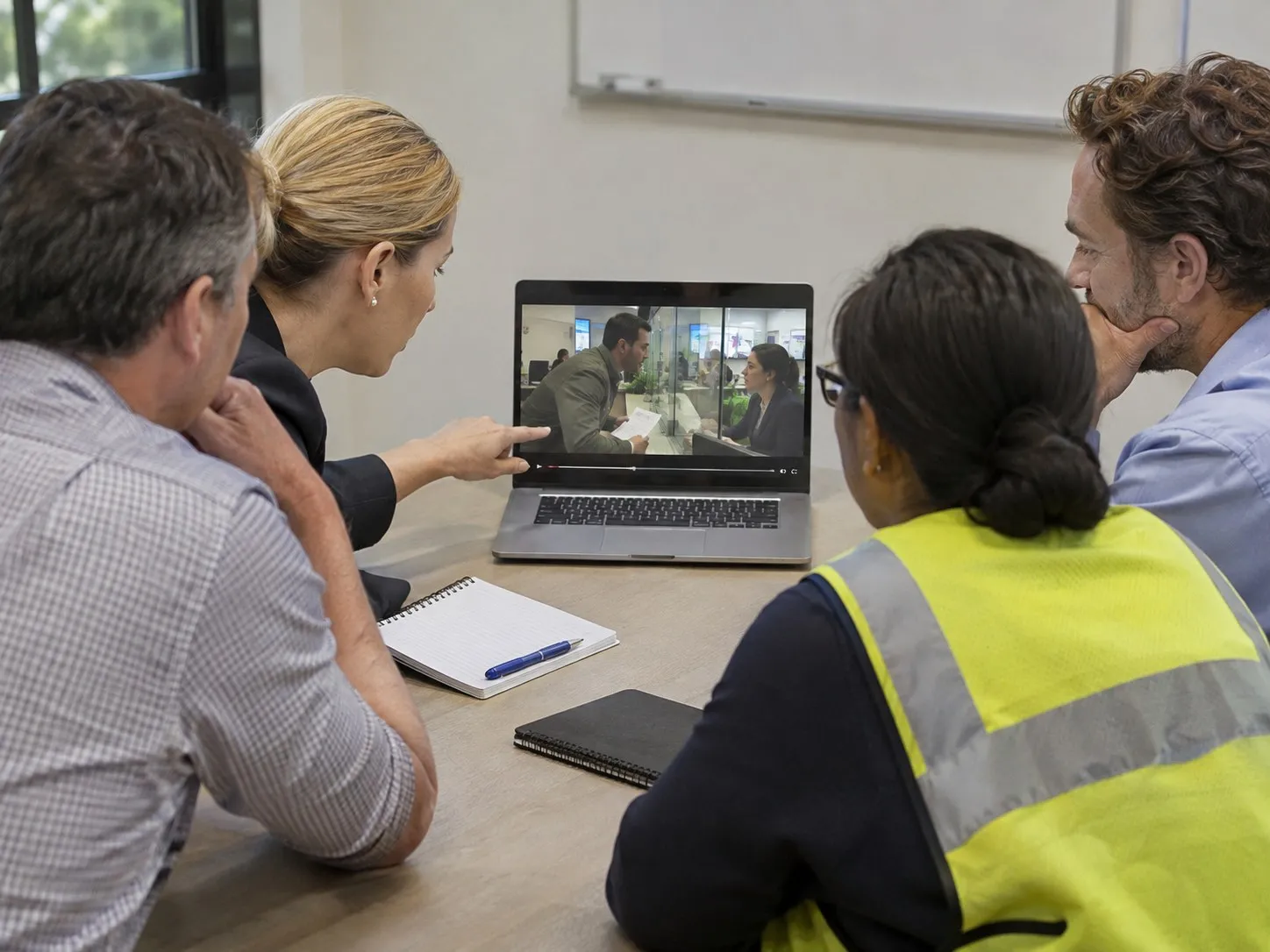
The actor wears smart glasses, so each participant reviews their own approach — tone, distance, hands, words — exactly as the other person experienced it. Participants can also wear a biometric armband, so the debrief can show the heart-rate spike that came before the sharp reply. Both are optional; both make feedback specific instead of general.

A debrief group around a laptop, watching a recording of a counter conversation from the simulation
Common questions

What managers usually ask us.

Is this the same as Care Under Pressure?

It is the same method and the same one-day shape. Care Under Pressure is built for hospital wards, with simulated patients and families. Communication Under Pressure is built for teams outside health, with actors playing members of the public and people from industry in scenarios written from your own incidents.

Have you delivered this outside health?

Communication Under Pressure is a new program in 2026. The method behind it is not new: Xantha has trained more than 3,000 staff in Australian public health services since 2015, including security officers who train in the same room as clinicians. Each program is scoped with the organisation so the scenarios match its work.

Who should attend?

Anyone whose role involves difficult conversations with the public or with industry: inspectors, compliance and enforcement officers, counter and contact-centre staff, case managers and their team leaders. Mixed groups work well, because de-escalation depends on colleagues responding the same way.

Can we combine a simulation day with Mental Health First Aid?

Yes. Lisa Spong is an accredited Mental Health First Aid® Instructor and delivers Standard Mental Health First Aid for the Workplace. The course gives staff the action plan, and the simulation day lets them practise it. See our Mental Health First Aid page for the courses.

Can you run it on site, across offices and regions?

Yes. We come to your offices anywhere in Australia and schedule around your rosters. Travel is quoted separately.

Last reviewed

One day. One team. Responses that have been practised, not just written down.

Communication Under Pressure is scoped and quoted for your organisation; most teams start with a single simulation day.