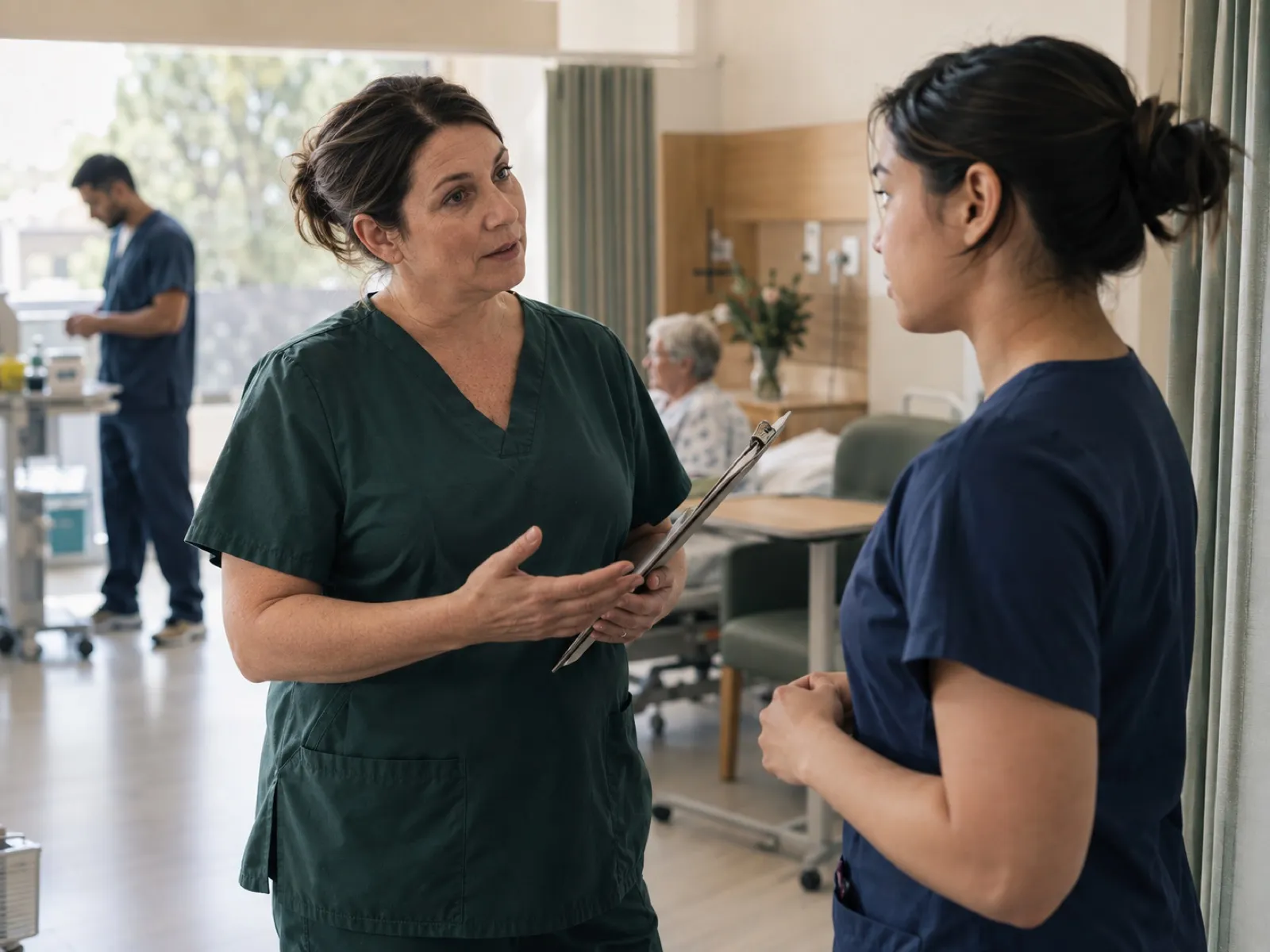
Clinical leaders and educators
Give your nurses, ED staff and allied health teams practical Safewards skills they can use on the next shift — and champions who keep it alive.
For clinical teams →
Patient-centred, immersive programs for Australian health and aged care services — built on ten years of Safewards implementation, and applied wherever care happens under pressure.
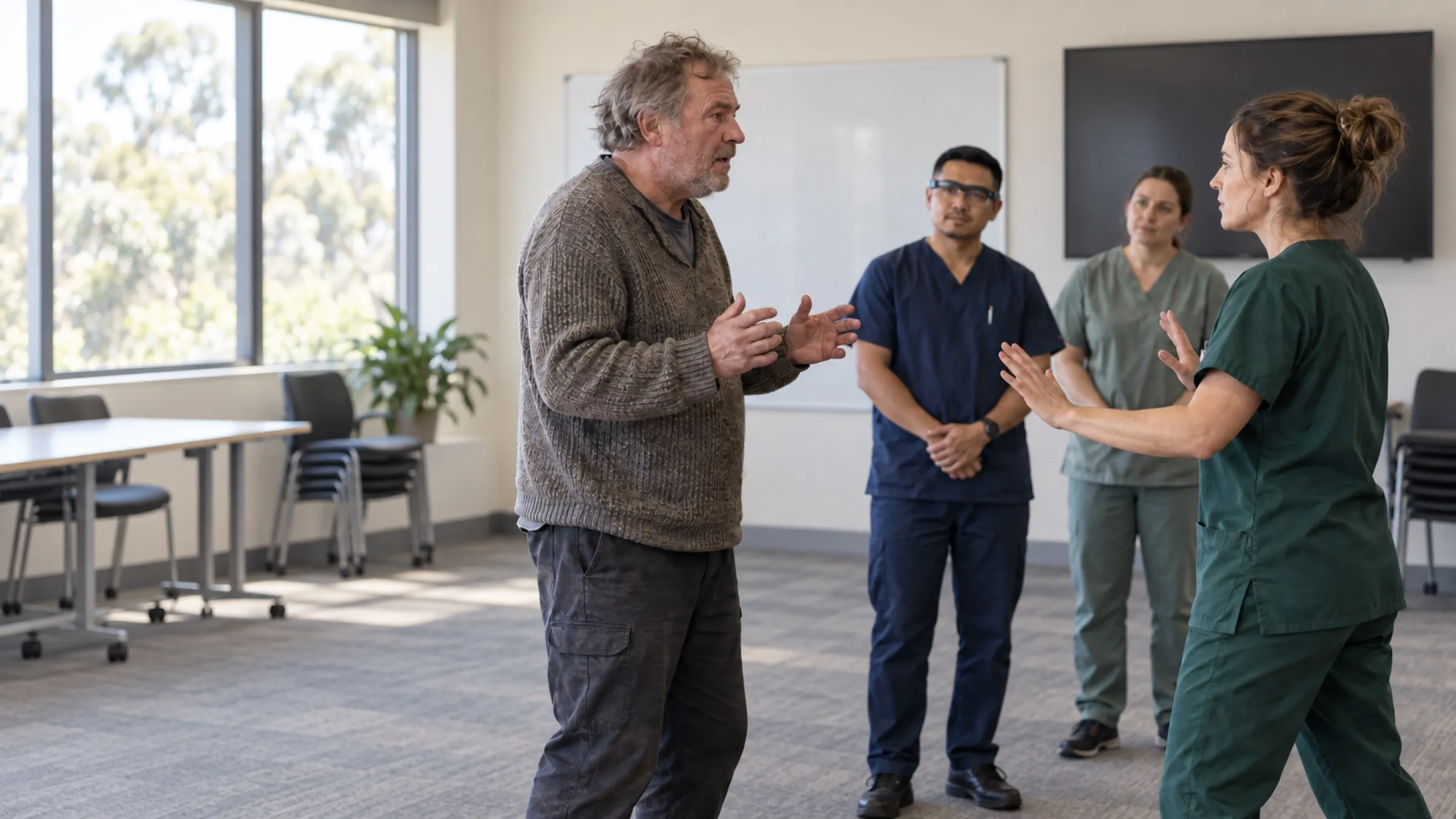
Security and clinical staff are almost never trained as one team, yet they respond to the same incidents. Our new joint program builds a shared approach to preventing and de-escalating violence and aggression — before it becomes a Code Black.
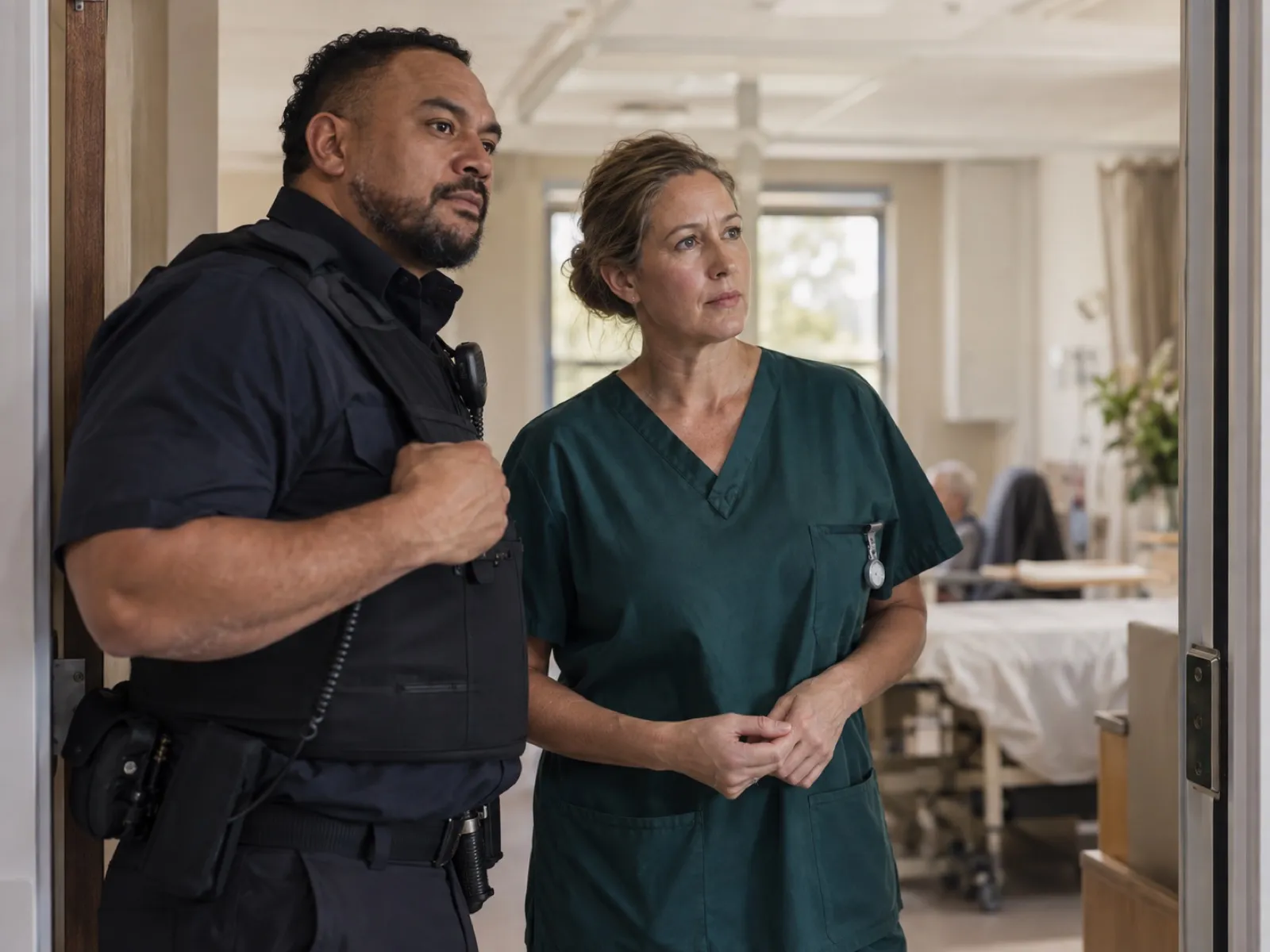
Give your nurses, ED staff and allied health teams practical Safewards skills they can use on the next shift — and champions who keep it alive.
For clinical teams →
Work-related violence claims are rising in every state. Invest a fraction of that cost in prevention, with a program you can point to at your next WorkSafe review.
For safety leads →
An established supplier to public health services across Australia, with a clear engagement model and vendor documentation ready for your procurement team.
How we work with health services →Each program is scoped and quoted for your service. All three are taught the same way: on your feet, with professional actors, reviewed through the patient's eyes.
The evidence-based model for reducing conflict and containment on inpatient units and in EDs. Champion cohorts, organisation-wide awareness campaigns, pulse checks and facilitator certification — a Kickstart, Scale, Sustain pathway.
De-escalation for any ward, any discipline. High-fidelity simulation with a newly admitted patient — and, in the advanced version, their family — where staff practise recognising distress early and communicating before, during and after escalation.
Teepa Snow's Positive Approach to Care®, delivered by a PAC-certified trainer and rehearsed with actors. Staff learn what changing brain function means for a resident, and how to adapt their approach, environment and words so distress doesn't become a restrictive practice.
So we train instinct. Every Xantha program runs on the same Practice Loop, whichever framework it teaches: step into the patient's perspective, watch stressed practice and a better alternative, connect the moment to the intervention, then practise it with a simulated patient and hear how it landed.
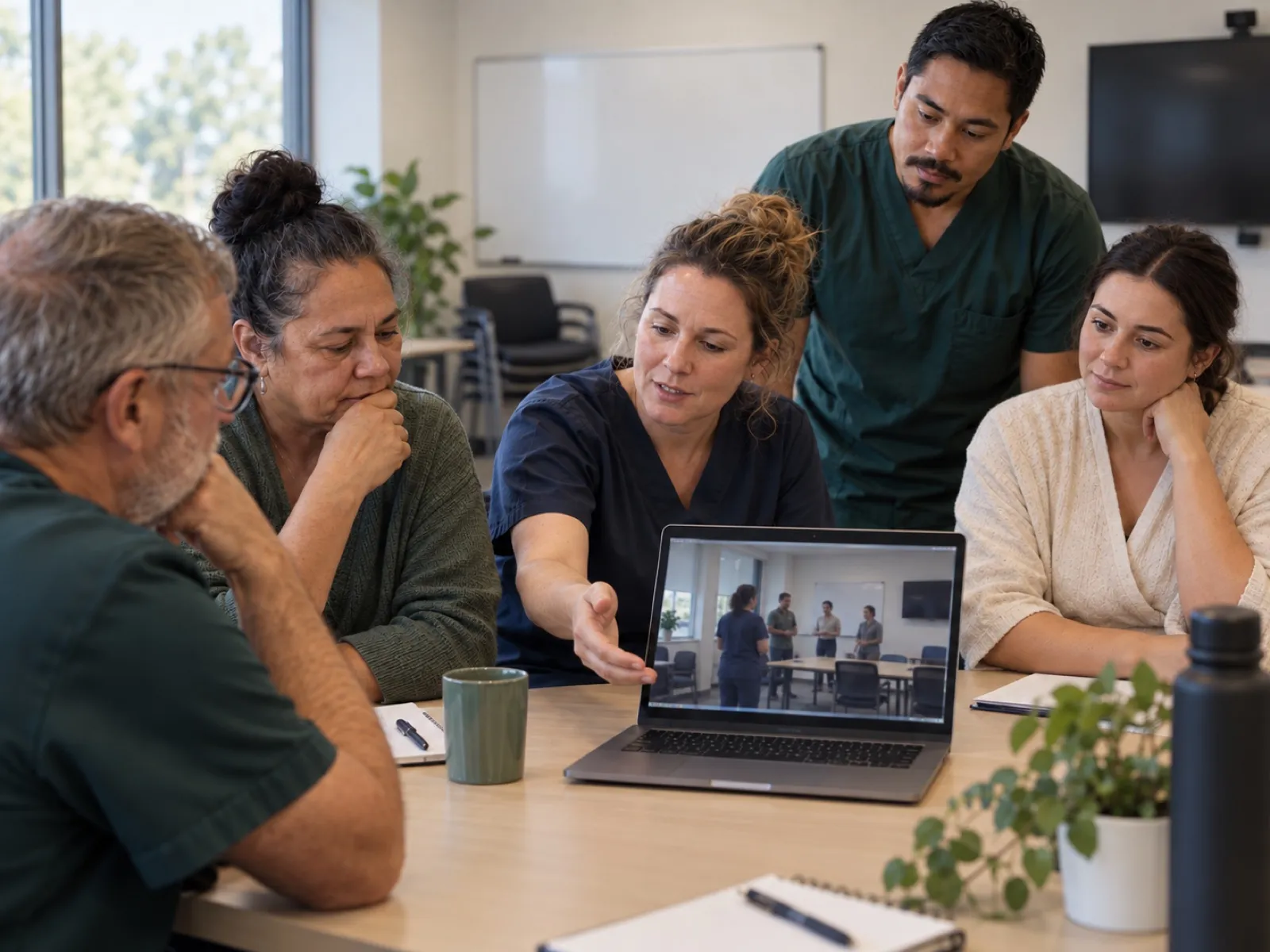
Local actors, many with lived experience, play patients, families and colleagues — and give feedback in role.
The simulated patient wears smart glasses, so each participant reviews their own tone, words and body language as the patient experienced them.
Feedback in three parts — what went well, what was hard, what to try — then the scene runs again. Improvement is observable, not left to confidence or seniority.
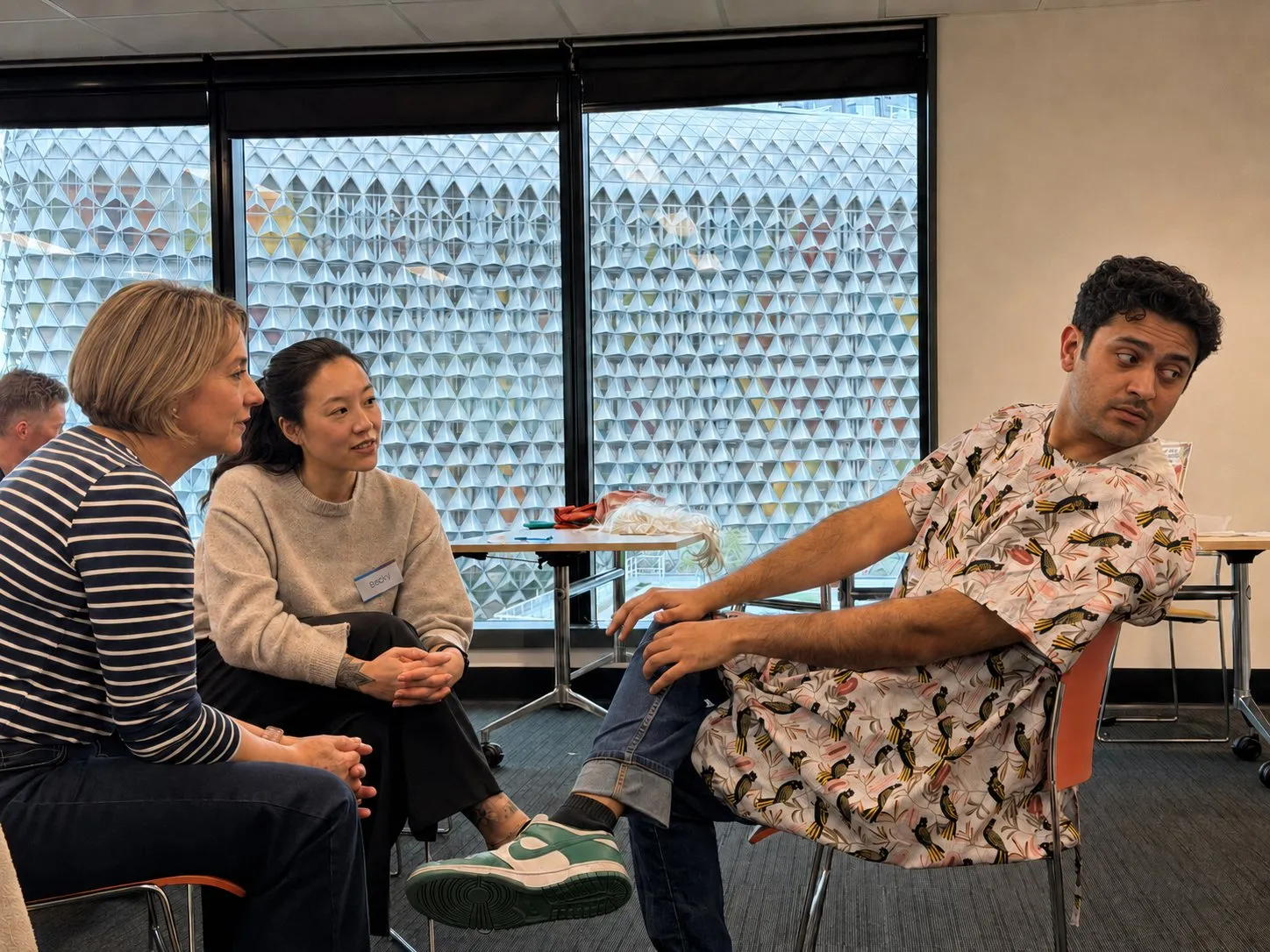
Royal Adelaide and The Queen Elizabeth hospitals trained emergency department nurses, consultants, educators and nurse practitioners alongside contracted security staff, building a shared approach to early warning signs and de-escalation across both sites. Delivered 2025/26. The champion program then kickstarted a wider education program for more than 800 staff.
Ask us about this program →The training reinforced the importance of recognising early signs of distress and gave me practical ways to respond before a situation escalates.
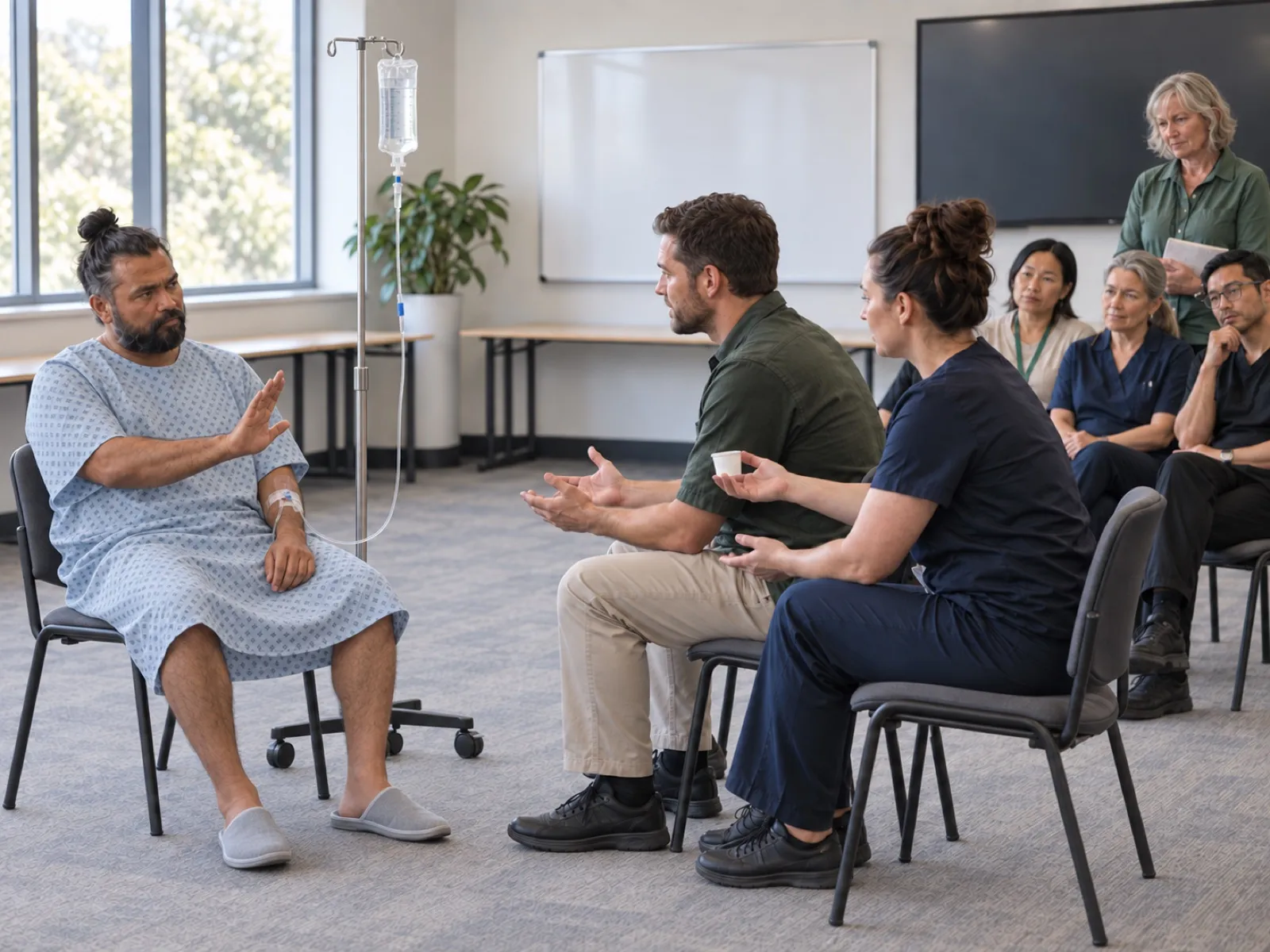
Geraldton Health Campus leadership set Safewards as the standard model of care for its new acute psychiatric unit before it opened, and trained more than 35 champions across five roles so the model was part of the unit's culture from the first shift. Delivered 2025/26. Geraldton is the third WACHS campus to deploy Safewards across its mental health services.
Ask us about this program →As someone with lived experience, it gave me a chance to see the change that is trying to be made in the delivery of services. I was also made to feel like what I have been through hasn't been for nothing.
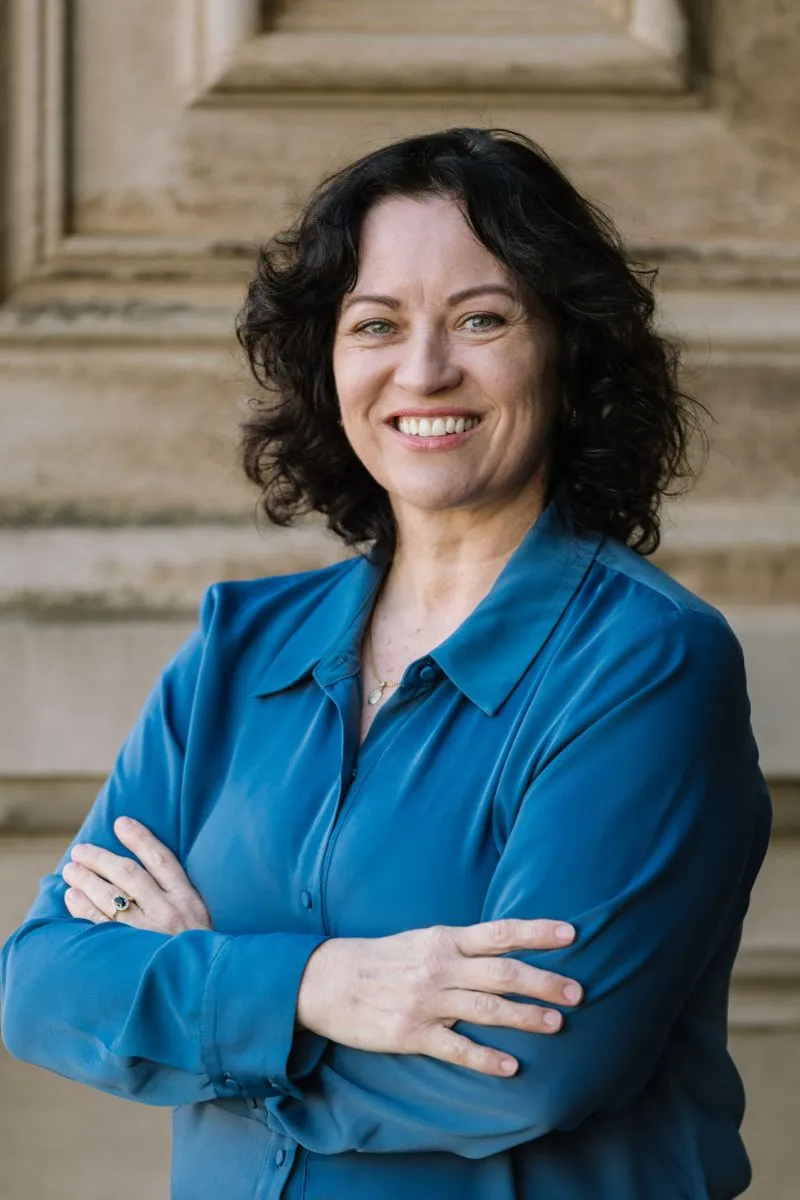
Safewards lead. Has helped dozens of Australian health services implement the model since 2015; contributor to key Safewards publications.
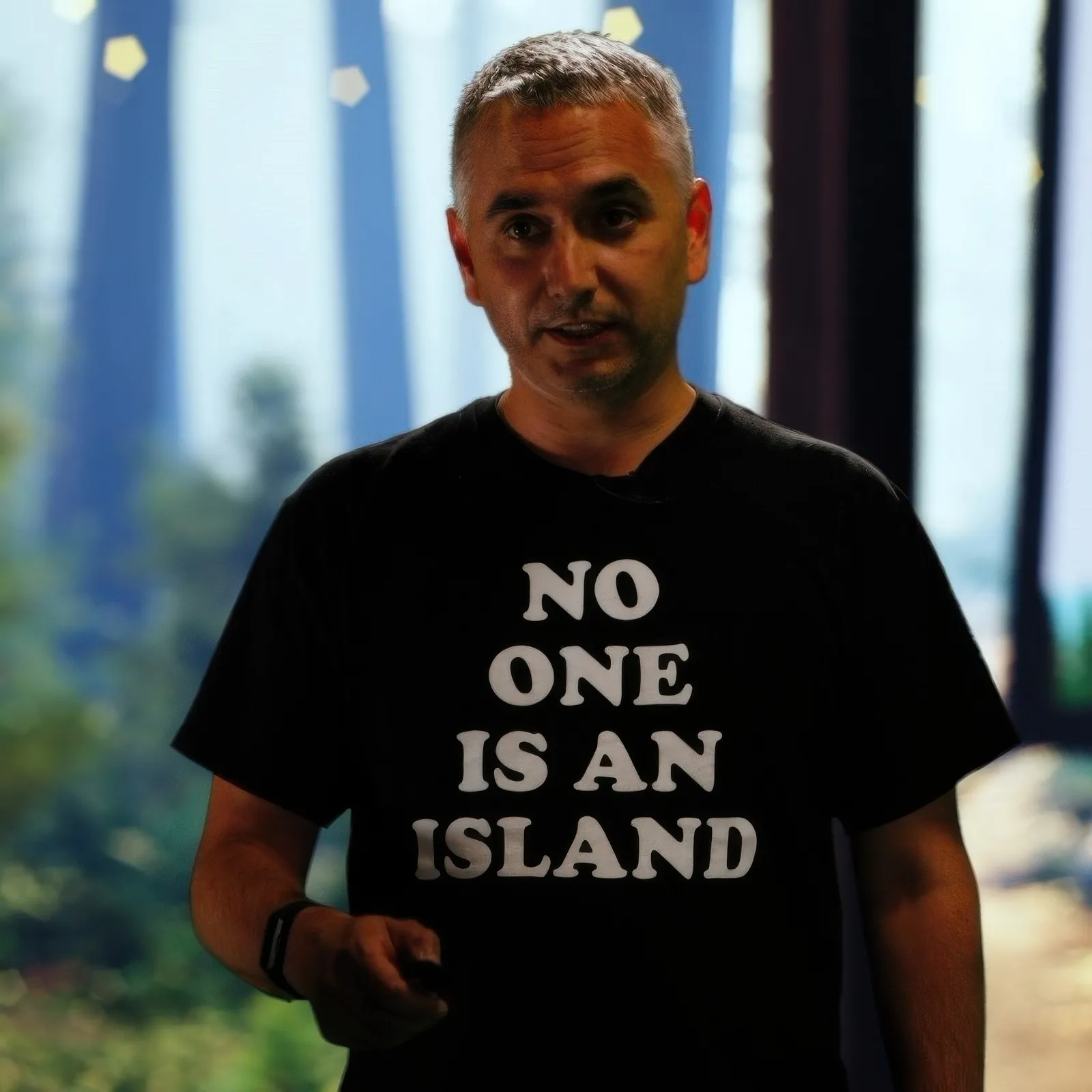
Director. Formerly Salesforce and Microsoft; leads partnerships and program delivery.
Xantha was built by clinicians and educators who have implemented Safewards on real wards — not a training company that added it to the catalogue. Every program runs on the Xantha Practice Loop: experience, observe, understand, practice, feedback, repeat.
Meet the team →A 20-minute call with Lisa or William. No deck, no pitch — just a conversation about whether we can help.