Xantha
For aged care & dementia units
PAC-certified trainer

Dementia-Informed Care

Help your team understand what a person with dementia is experiencing, and respond before distress becomes a restrictive practice.

Teepa Snow's Positive Approach to Care®, delivered by a PAC-certified trainer and rehearsed with professional actors playing residents and families. For residential aged care, dementia-specific units and the hospital wards that admit older people.

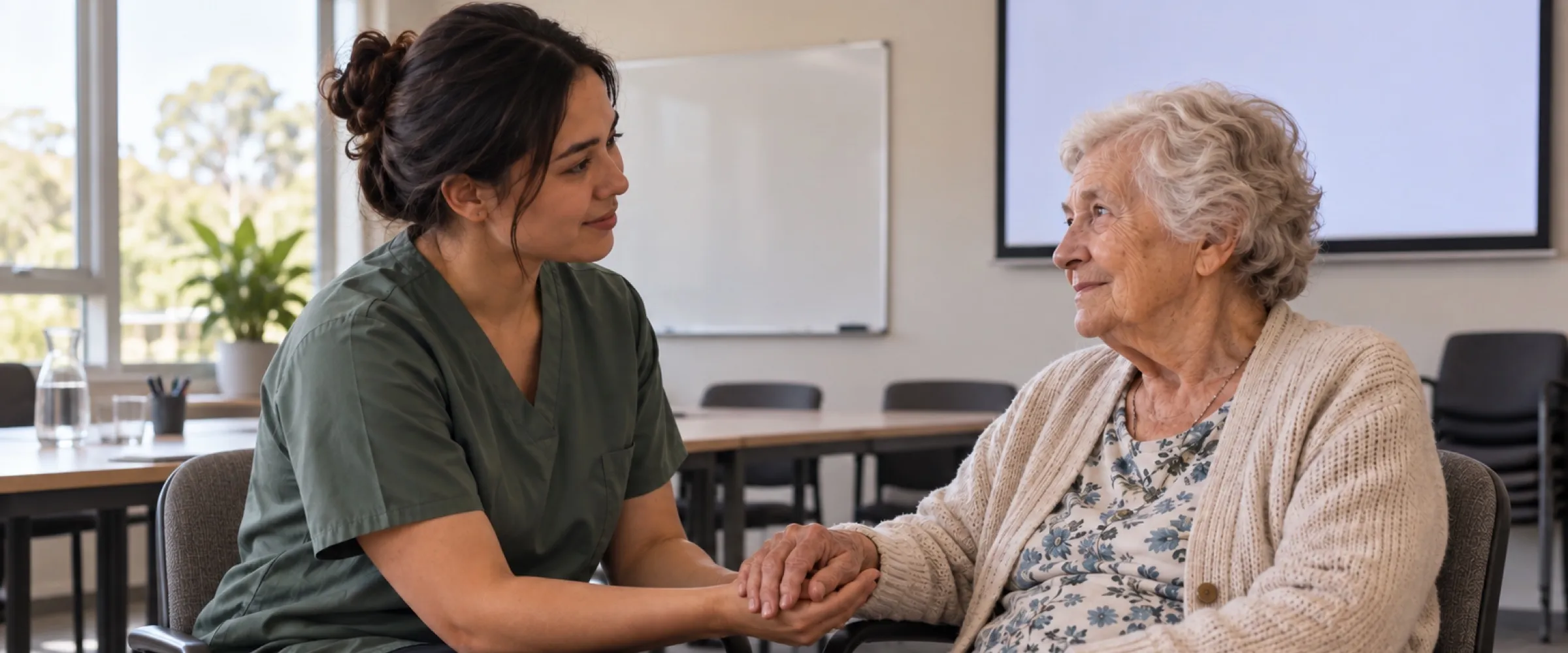
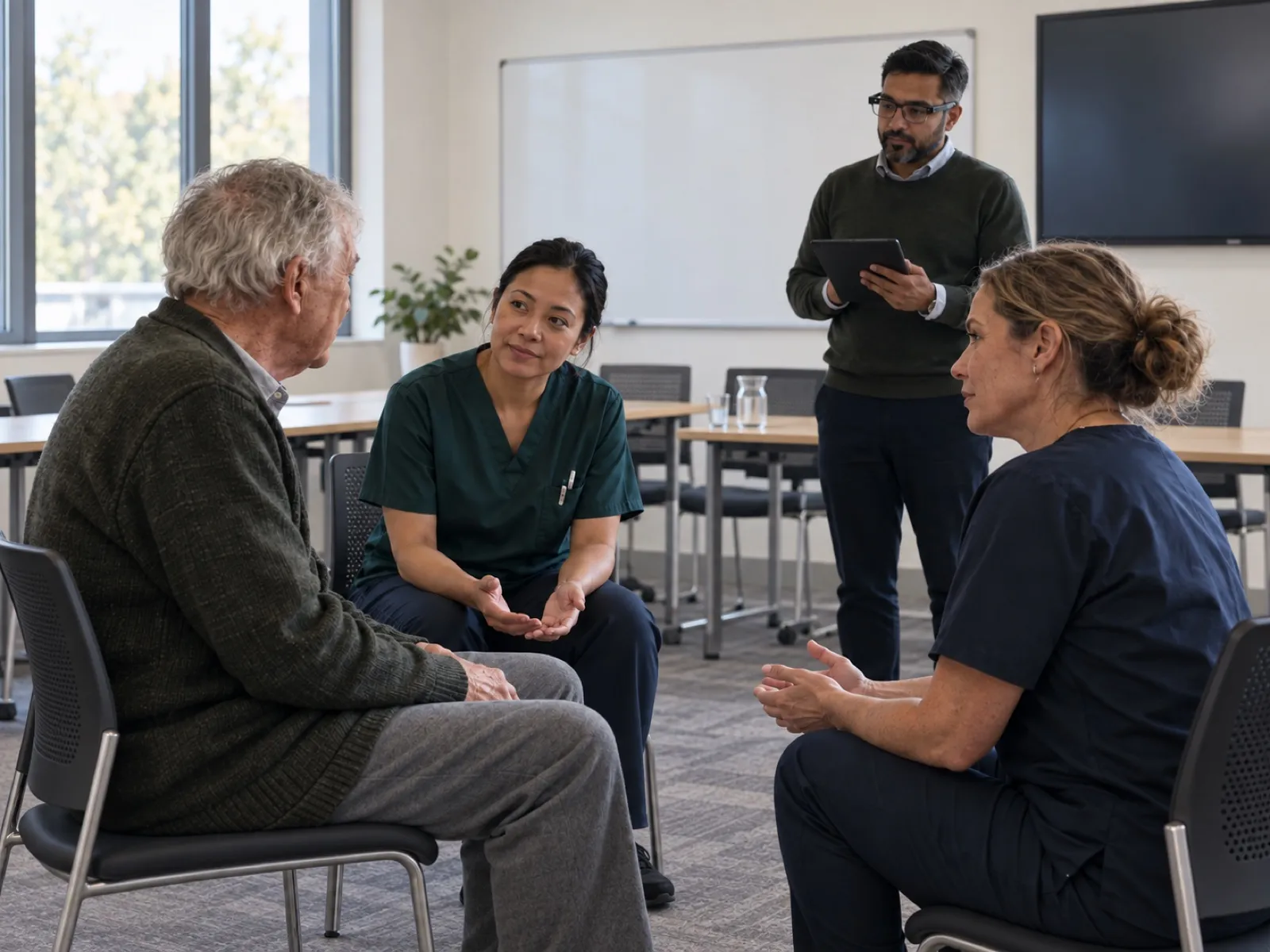
A care worker seated at eye level with an older resident, using a hand-under-hand hold, in an aged-care lounge
Why now

Changed behaviour isn't a problem to manage. It's a message to understand.

The strengthened Standards are here

Since 1 November 2025 the Aged Care Quality Standards include, for the first time, dedicated outcomes on dementia, changed behaviours and restrictive practices — and they apply to every worker, not just clinical staff. Training the whole team is now the baseline, not the bonus.

Restrictive practice is the last resort — on paper

On a short-staffed evening it's often the first thing reached for. Staff don't need another policy. They need to have practised what to do instead, with someone playing the resident, until the better response is the instinctive one.

Your workforce keeps changing

High turnover and agency staff mean the skill has to live in the team, not in one experienced RN. A shared approach and a shared language survive a roster change; individual know-how doesn't.

The approach

Positive Approach to Care®

Developed by occupational therapist Teepa Snow, PAC is a practical, strengths-based method used around the world. It starts from what a person living with dementia can still do, explains what changing brain function means for what they see, hear and understand, and gives staff concrete ways to adapt their approach, their words and the environment.

Recognise the state, not just the stage

Read where a person is right now and what support that calls for, instead of treating every resident with the same diagnosis the same way.

Approach so you aren't a threat

Where to stand, how to come into view, what to do with your hands — the physical approach that turns "he lashed out" into "he let me help".

Do with, not to

Guided, hand-under-hand techniques for personal care, meals and mobility that keep the resident in control and the worker safe.

Change the environment before the person

Noise, light, layout, cues and routines — the things a team can change on Monday that reduce distress before it starts.

Xantha's training is led by Lisa Spong, a PAC-certified trainer. Positive Approach to Care® is a registered trademark of Positive Approach, LLC.

How the program works

Three formats. One way of learning.

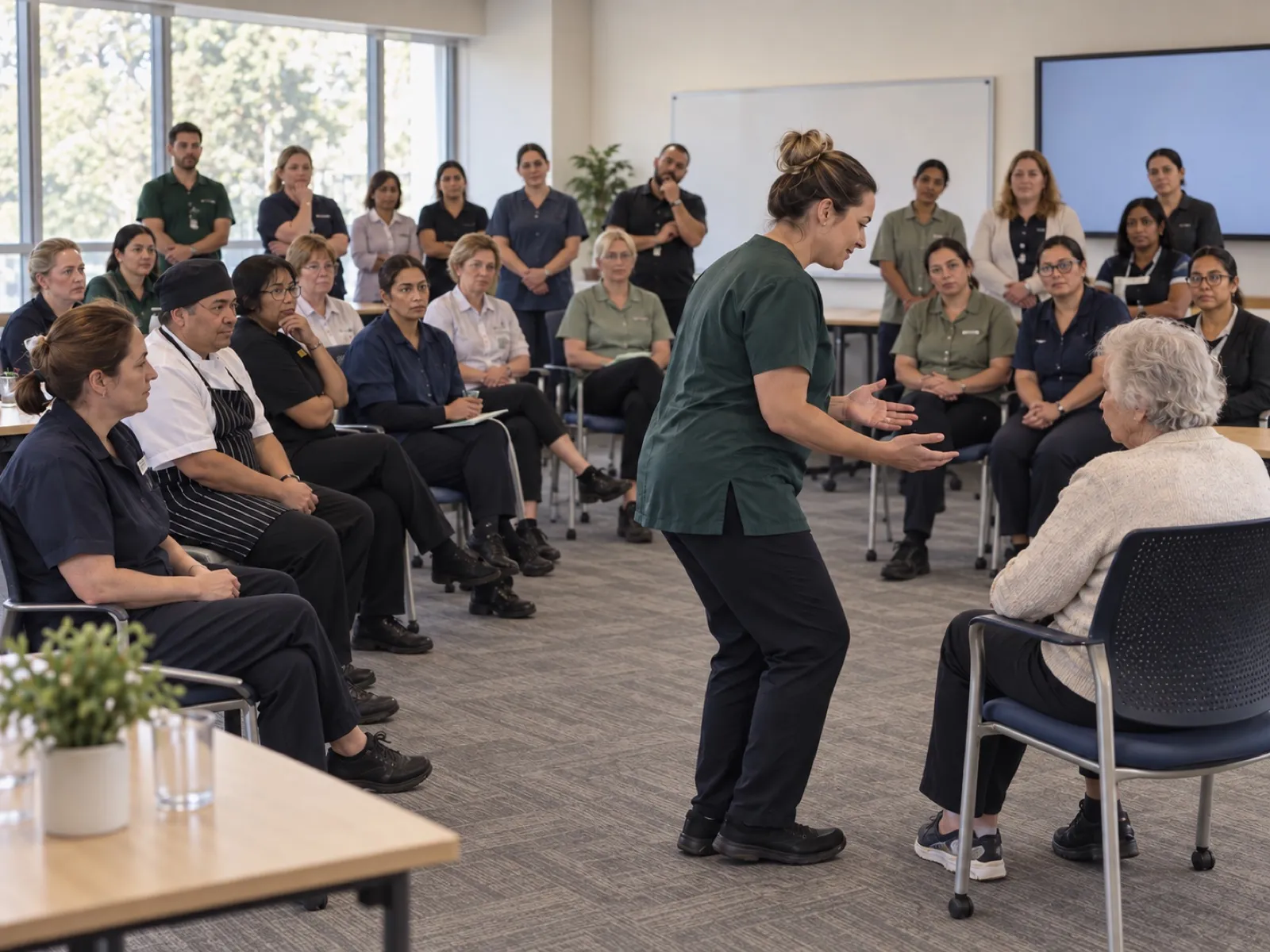
Every format is scoped and quoted for your service. All of them are taught on your feet: actors play residents and families, and staff practise, get feedback and go again.

01

Foundations

Half day · whole home

An introduction for everyone who touches a resident's day — care workers, nurses, lifestyle, kitchen, cleaning and reception. What changing brain function does, what it looks like on the floor, and the first techniques that make an immediate difference. Runs twice in a day so both shifts are covered.

One facilitator + two actors. Actor-led demonstrations, discussion and guided application.
03

Tailored Team Learning

Scoped with you

For a specific unit, population or problem: a memory support unit, a home with many residents from one cultural background, a persistent pattern of incidents at a particular time of day. We co-design the scenarios, the measures and the follow-up with your clinical and lifestyle leads.

Includes a follow-up pulse check on the floor.

Founding partner

We're looking for our first aged care partner.

We've spent ten years helping hospitals reduce conflict and containment. We're now bringing the same method to dementia care, and we want to build it alongside a provider who knows what their floor actually needs. In return for being first, you get:

Reduced fees for the pilot program
Scenarios co-designed around your residents and your building
Priority scheduling and a direct line to Lisa between sessions
A written case study you can use for accreditation — with your approval, and only if it's earned

We're looking for a residential aged care home or dementia-specific unit, anywhere in Australia, with a manager who wants fewer incidents and less reliance on restrictive practices. One partner. We'll be honest if it's not the right fit.

Register your interest
How we teach

Nobody learns to calm a frightened person from a slide.

Our workshops run on the Xantha Practice Loop: step into the resident's perspective, watch stressed practice and a better alternative, connect the moment to the technique, then practise it with a simulated resident and hear how it felt from their side. The same method has trained more than 3,000 hospital staff across Australia. See the Practice Loop →

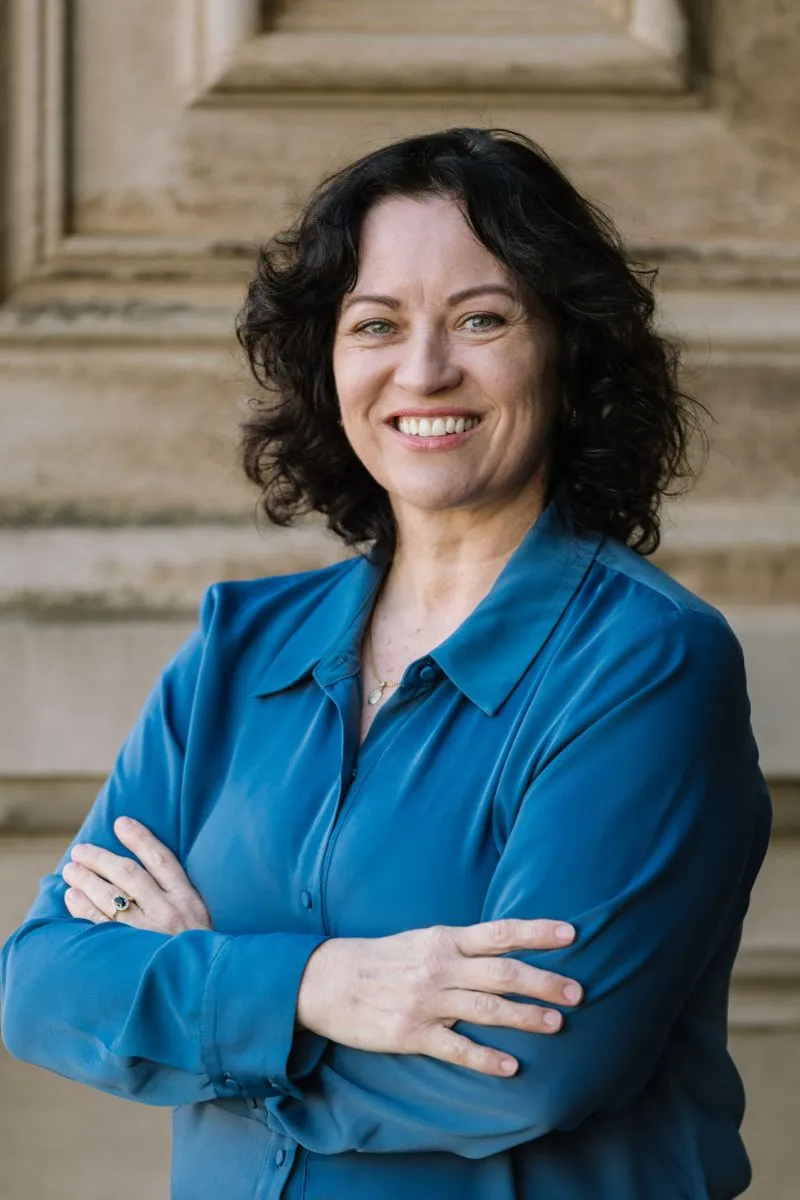
Lisa Spong
Who delivers it

Lisa Spong, PAC-certified trainer

Lisa is a mental health clinician who has spent the last ten years helping Australian health services reduce conflict and containment — first through Safewards, where she has trained more than 3,000 staff and contributed to key publications, and now through Positive Approach to Care®. She still works the way she teaches: on the floor, with the team, in real situations.

Meet the team →
Common questions

What managers usually ask us.

Who is it for?

Everyone who interacts with residents: personal care workers, enrolled and registered nurses, lifestyle and allied health, and the kitchen, cleaning and reception staff who are often the first to meet a distressed resident. Foundations is designed for the whole home; the workshop for the people who lead care on shift.

Does it count towards CPD and our training record?

Yes. Participants receive a certificate of completion with hours, and we provide an attendance record you can file against the Standards.

Can you run it on site, across shifts?

That's how we prefer to do it. We bring the actors, the props and the equipment to your home and run around your roster — Foundations can run twice in a day so the afternoon shift isn't left out. We travel anywhere in Australia; travel is quoted separately.

How is this different from the online dementia modules we already use?

Online modules build awareness; they don't build the reflex. Our workshops put a staff member in front of a simulated resident who is frightened or refusing care, and let them try, watch it back and try again. Knowing what to do and having done it are different skills — and only one of them holds at 6pm on a short-staffed Sunday.

Ready to be the first?

One aged care partner, reduced fees, scenarios built around your residents. Let's find out if it's you.